Skip links

Creating a Spark for Young Minds

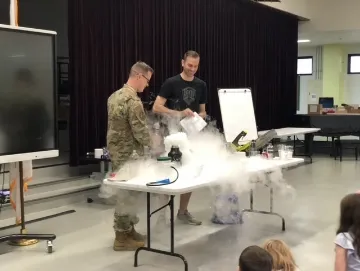
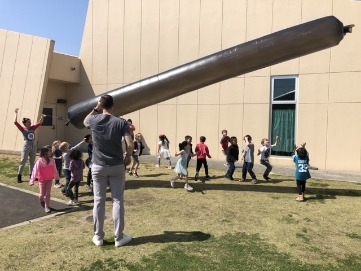
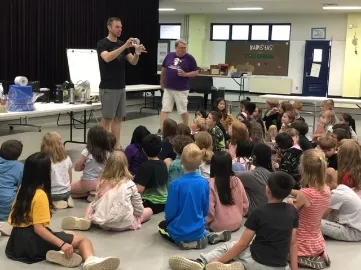
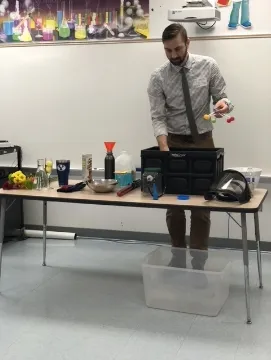
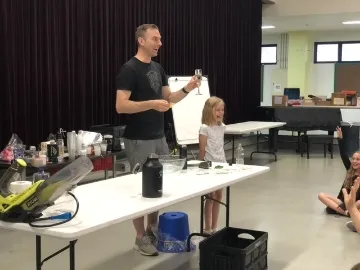
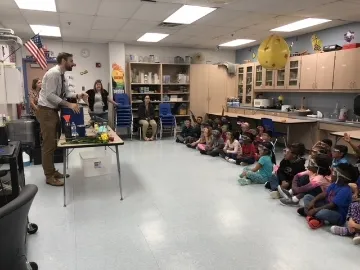
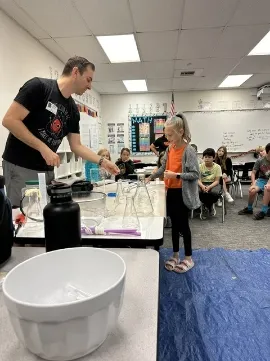
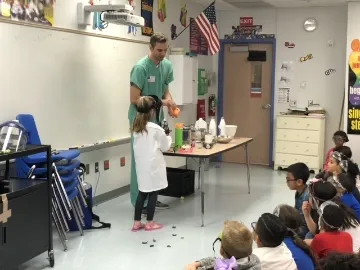
Dr. Larson loves helping patients as well as educating people because it empowers them to take better care of themselves and meet their goals more easily. This can be especially impactful for children, which is why he does free “science shows” at elementary schools in and around Gilbert. These are quite involved and aren’t your typical “kitchen” science” presentations that always end with a baking soda volcano. 

If you would like Dr. Larson to come to your school to break up the routine and allow your students to benefit from his energy, enthusiasm, and knowledge, be sure to reach out!

Can Crushing Experiment

Materials:

Instructions:

1. Add Water to the Can: Pour about 1-2 tablespoons of water into the empty soda can.

2. Heat the Can: Place the can on a stove or hot plate and turn the heat to medium-high. Allow the water in the can to heat up until it begins to boil. You’ll know it’s boiling when you see steam escaping from the opening.

3. Prepare the Ice Water: While the can is heating, fill a bowl with cold water and add some ice cubes to make it very cold.

4. Crush the Can: Once you see a steady stream of steam coming from the can, use the tongs to quickly grab the can and immediately invert it (opening side down) into the bowl of ice water. Watch as the can is suddenly crushed!

What’s Happening:

The water inside the can turns into steam as it boils, filling the can with water vapor. When you quickly invert the can into the cold water, the steam inside condenses back into water almost instantly, creating a vacuum. The air pressure outside the can becomes much greater than the pressure inside the can, causing the can to be crushed inward. This experiment is a great way to demonstrate the power of air pressure and the rapid change in states of matter. It’s simple, dramatic, and safe to do with some adult supervision!

Oobleck Experiment

Materials:

Instructions:

1. Mix the Ingredients: Pour the cornstarch into the mixing bowl. If you want to make your Oobleck colorful, add a few drops of food coloring to the water. Gradually add the water to the cornstarch, mixing with your hands as you go. It will start to feel strange as it mixes!

2. Test the Oobleck: Once the mixture is well combined, try poking it with your finger or hitting it with a spoon. It will feel solid under pressure. Now, slowly let your hand sink into the mixture or try to lift some of it gently. It will flow like a liquid!

3. Play and Explore: Encourage the kids to explore the Oobleck by rolling it into a ball and then letting it ooze out of their hands. They can also try applying different amounts of pressure to see how it changes the texture.

4. Cleanup: Oobleck can be easily cleaned up with warm water. Just be sure not to pour it down the drain, as it can clog pipes. Instead, throw it in the trash.

What’s Happening:

Oobleck is a non-Newtonian fluid, meaning it doesn’t follow the normal rules of how liquids and solids behave. When you apply pressure, the cornstarch particles lock together, making it feel solid. When you release the pressure, it flows like a liquid. This experiment introduces kids to some fascinating concepts in physics and material science in a fun and hands-on way.

Kids love the tactile nature of this experiment, and it’s a great way to spark curiosity about the properties of different materials!

Magic Milk Experiment

Materials:

Instructions:

1. Pour the Milk: Pour the whole milk into the shallow dish or plate. The milk should cover the bottom but shouldn’t be too deep.

2. Add Food Coloring: Add a few drops of different colored food coloring to the milk. Place each drop in a different spot, but don’t stir them.

3. Dip the Q-tip in Dish Soap: Take a Q-tip or cotton swab and dip one end into the dish soap.

4. Touch the Milk: Gently touch the soapy end of the Q-tip to the center of the milk (where the food coloring is). Watch what happens!

5. Observe the Reaction: The colors will start to swirl and mix in surprising patterns. You can move the Q-tip around to create different designs.

What’s Happening:

Milk contains fat, and when the dish soap touches the milk, it breaks down the fat molecules. This causes the food coloring to move and create colorful swirls. It’s a great way to show how soap works to break up oils and fats!

This experiment is not only visually stunning but also introduces kids to concepts like surface tension and chemical reactions. Plus, it’s easy to clean up.
This website uses cookies to improve your web experience.

Loose Teeth

Are Loose Teeth an Emergency? Typically, a loose adult tooth immediately warrants an emergency visit. However, your teeth are expected to move during orthodontic treatment. So, unless it feels like it’s on the brink of falling out, you don’t need to panic. With that said, you’re always welcome to call our dental team if you have any questions or want to double-check if a symptom you’re experiencing is normal.

How You Should Handle Loose Teeth As we mentioned above, it’s normal for your teeth to feel slightly loose from time to time, particularly in the hours following an adjustment appointment or the transition to a new set of aligners. During that time, we strongly recommend eating only soft foods, like plain yogurt and oatmeal. It’s also important that you don’t wiggle your teeth with your finger or do anything else that could cause them to loosen further, like chewing on ice.

Broken/Lost Aligner or Retainer

Is a Broken/Lost Aligner or Retainer an Emergency? Patients often assume that orthodontic emergencies come with pain or discomfort. While that’s sometimes the case, a broken/lost aligner or retainer is considered an orthodontic emergency because – without a same-day appointment – the alignment of your teeth could be negatively impacted.

How You Should Handle a Broken or Lost Aligner/Retainer If you’ve lost yours, then try retracing your steps, looking in unexpected places in the process, like the pockets of the pants you were wearing earlier. If you can’t find them, then call us ASAP. We recommend doing the same if your aligner or retainer gets damaged so that we can quickly begin the process of having it repaired or replaced.

Something Stuck Between the Teeth

Is Having Something Stuck Between the Teeth an Emergency? As your teeth begin to move, you’ll notice a few changes, including that food can easily get stuck between them. The good news is that – with the right steps – you can usually remove it at home pretty quickly. Plus, if you have any trouble, you can always give us a call. We’re here to help make your entire orthodontic treatment as smooth and seamless as possible.

How You Should Handle Something Stuck Between the Teeth First, dissolve some salt in warm water and rinse the mixture in your mouth for 30 seconds or so. This should dislodge the debris or, at the very least, alleviate some inflammation in your gums. Then, grab your floss of choice and use it to gently clean between your teeth.

Cut Lips, Cheeks, or Tongue

Is a cut lip, cheek, or tongue an emergency? Minor cuts caused by braces aren’t usually emergencies, but deep or persistent bleeding caused by a vehicular accident or a blow to the face requires immediate attention. In most cases, we can help suture the wounds in your mouth. However, if bleeding doesn’t stop after 10 minutes of pressure, go to the nearest emergency room for help.

How you should handle a cut lip, cheek, or tongue: Rinse your mouth with warm water to clean the area. Then, apply pressure with a clean gauze or paper towel to stop the bleeding. If you have some handy, use orthodontic wax to keep brackets or wires from irritating your wounds. Apply a cold compress or ice pack to the area to reduce swelling. Generic pain medication can also help keep the sting away until you can see us.

Broken Ligature

Is a broken ligature an emergency? A broken ligature (the small rubber band holding the wire to the bracket) isn’t always an emergency, but it can affect the efficiency of your braces. This is especially true if you have multiple breaks. In this case, it’s best to call us right away as there might be some underlying issue causing the band to snap.

How you should handle a broken ligature: If a rubber ligature simply slips off the bracket, you can try to reposition it using sterile tweezers. However, if you can’t seem to get it back into place, or it breaks completely, let us know. Until you make it into your appointment, cover any sharp edges with orthodontic wax or sugarless gum.

Mouth Sores or Irritation

Are mouth sores or irritation an emergency? Mouth sores caused by braces are fairly common and not typically considered an emergency. In general, smaller sores and irritation should disappear after a few days with a bit of care. However, if sores persist for more than a week or become infected, they need to be assessed and treated as soon as possible.

How you should handle mouth sores or irritation: First, rinse your mouth with warm salt water to kill bacteria that could cause infection. Next, apply orthodontic wax to brackets or wires that are causing irritation. Finally, use over-the-counter pain relievers or numbing gels as needed to keep the irritation at bay. If your sores worsen, call our office for an appointment. We’ll check your mouth and find an appropriate treatment to help you find relief.

Protruding/Poking Wire

Is a poking or protruding wire an emergency? A protruding wire can cause irritation or small cuts inside your mouth, but it’s not an urgent emergency. However, it should be addressed quickly to avoid further discomfort.

How you should handle a poking or protruding wire: First, use orthodontic wax to cover the sharp end and prevent irritation. If the wire is particularly irritating or painful, you can try to carefully push it back into place with a cotton swab or clean eraser. However, you should never try to cut or bend the wire yourself. If you need help, call our team and we’ll schedule an appointment to take care of you.

Broken Bracket or Wire

Is a broken bracket or wire an emergency? A broken bracket or wire isn’t dangerous, but it can be uncomfortable and negatively affect your treatment. Therefore, it should be fixed as soon as possible to avoid delaying your results or causing discomfort.

How you should handle a broken bracket or wire: First, it’s never a good idea to try to fix a broken orthodontic appliance on your own. As soon as you feel the break, let us know so we can schedule an appointment. While you’re waiting, if the wire is poking your cheek, use orthodontic wax to cover any sharp points or surfaces. If there are any pieces of the appliance like brackets that have broken off, put them in a small container and bring them with you to your appointment.

Loose Bracket or Wire

Is a loose bracket or wire an emergency? A loose bracket or wire isn’t generally an emergency, but it should be fixed as soon as possible to prevent further issues. If left untreated, it can cause irritation in your mouth and delay the progression of your treatment.

How you should handle a loose bracket or wire: If the bracket is still somewhat attached to the wire, leave it in place and cover it with orthodontic wax to prevent irritation. However, if the bracket has completely detached, keep it in a safe place and bring it to your next appointment. In most cases, we can simply reattach the bracket and bring your treatment back into alignment.

Toothache

Is a toothache an emergency? A mild toothache isn’t always an emergency, but severe or persistent pain could indicate a serious issue. Tooth pain in orthodontic treatment is common due to the process your teeth go through to shift into position. However, if it lasts more than a few days or is accompanied by swelling, fever, or difficulty chewing, contact our office immediately. It could be a sign of an infection or another dental problem that needs attention.

How you should handle toothaches: If the pain in your tooth doesn’t subside after a few days, reach out to us. We’ll schedule an emergency exam with you to find the root of the problem and go over your options. If the need arises, we can also refer you to a trusted specialist to ensure you get the right care. In the meantime, take some over-the-counter pain relievers, rinse your mouth with salt water, and apply ice packs to your cheek to ease discomfort. Flossing is also recommended to remove debris that could be the culprit.

Joyful Atmosphere

We believe in not sweating the small stuff and embracing the lighter side of life. Our goal is to make every visit an enjoyable moment in your day.

Obsession with Convenience

We understand life’s hustle and bustle. Traditional orthodontic practices might require visits every 4-6 weeks, but we know your time is precious. Leveraging digital orthodontics, remote monitoring, and 3D printing, we can offer fewer appointments without compromising on professional oversight.

Exemplary Standards

As a board-certified orthodontist, I treat every patient as I would my own family. I’m committed to providing care that I would deem fit for my children.

Commitment to Communication

We aim to seamlessly integrate into your life through effortless communication. Hate phone trees? We do too! That’s why we don’t have a phone tree or call center to answer you. We’ve also added straightforward text messaging and online appointment scheduling to make communication a breeze. You can even message us through the remote monitoring app.

Giving Back

We recognize our duty to give back and assist others with what we’ve received. 

Compassion

A little kindness goes a long way, and we strive to infuse it into every interaction.

Conservative Treatment Approach

We have immense faith in the body’s innate ability. Often, it knows precisely what to do. Our philosophy is not to rush into aggressive interventions. Instead, we favor treatments that are not only effective but also simple, elegant, and affordable. This belief is foundational to our practice—it’s why I established my own clinic. We never pressure or frighten people into premature treatments, particularly when they involve young children.

Absolute Integrity

At our core, we uphold the highest standards of honesty. We only recommend necessary treatments and firmly believe that fear has no place in healthcare. After all, crooked teeth are not a life-threatening issue.