Thoughtful early treatment for kids ages 6 to 9, guided personally by a board-certified orthodontist who only recommends Phase 1 when it will make a meaningful difference.
Phase 1 orthodontics, sometimes called interceptive orthodontics, is an early phase of treatment that typically takes place between ages 6 and 9. At this stage, your child still has a mix of baby and adult teeth, and the underlying jaw is still actively developing.
Phase 1 is different from full braces. Rather than straightening every tooth, it focuses on specific concerns that respond best to early treatment, like crowded space, crossbites, jaw imbalances, or issues affecting airway and breathing. By addressing these concerns while your child is still growing, treatment often becomes simpler, shorter, and more comfortable than waiting until adulthood.
It’s important to know that not every child needs Phase 1. In fact, most kids who come in for an early evaluation don’t. At Larson Family Orthodontics, we only recommend Phase 1 treatment when it will make a meaningful, lasting difference and we’ll always tell you when waiting is the better option.
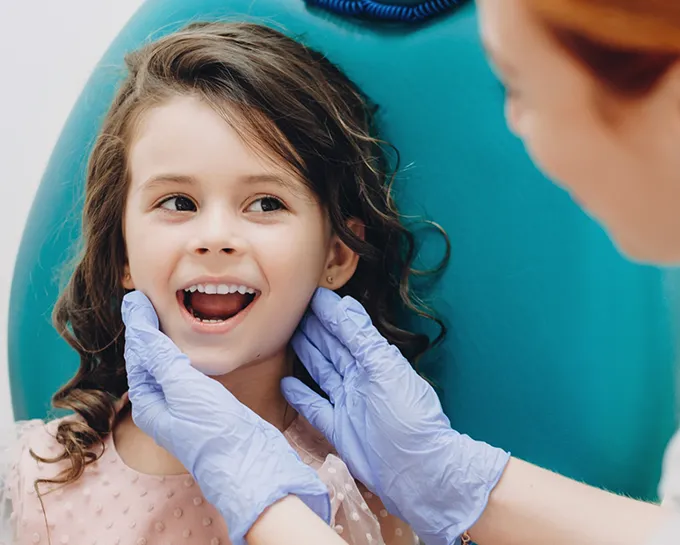
When orthodontic concerns are addressed during your child’s active growth years, treatment is often simpler, shorter, and more comfortable than waiting. The right timing makes a meaningful difference.
Phase 1 isn’t a single treatment; it’s a thoughtful approach that uses targeted tools to address your child’s specific needs while their jaw is still developing. The right tool depends on the concern, the age, and the long-term goal.
Some of the most common Phase 1 approaches include:
Dr. Larson will recommend the specific approach that best fits your child’s case, age, and long-term plan, and walk you through exactly what each tool does and why it’s the right choice. Treatment is always thoughtful, gentle, and clearly explained from the first appointment.
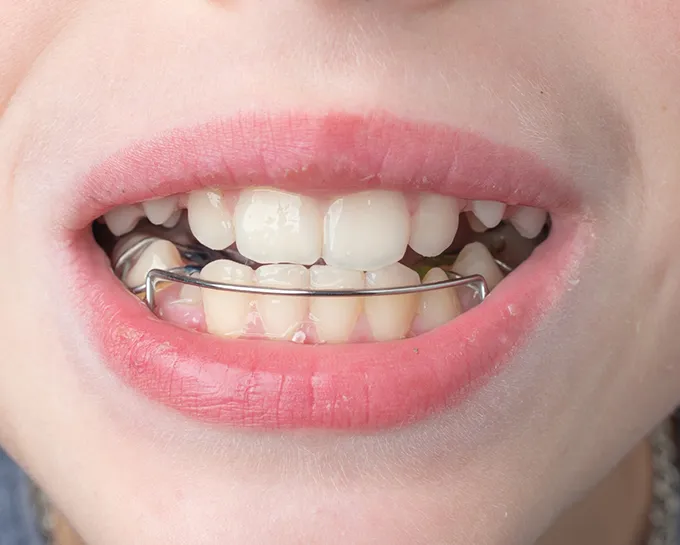
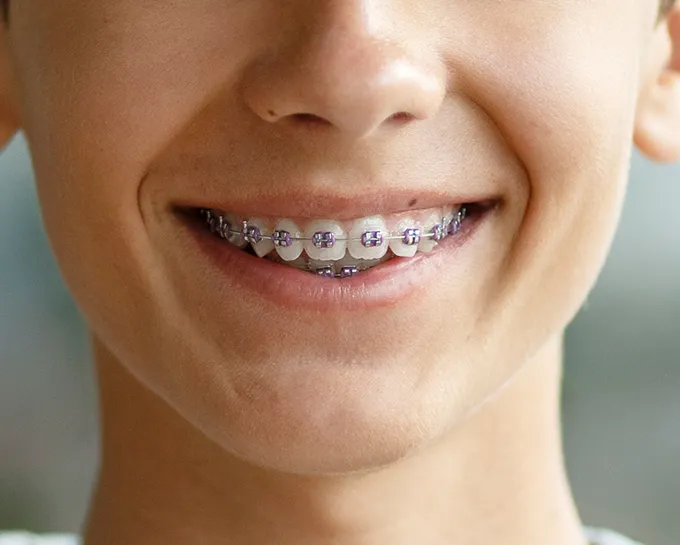
Phase 1 treatment is typically followed by a period of monitoring while the remaining adult teeth come in. This in-between stage is sometimes called the “resting phase,” and it gives us the opportunity to track how your child’s smile is developing before deciding what, if anything, comes next.
Here’s what to expect after Phase 1 wraps up:
A custom retainer — most kids transition into a thoughtfully designed retainer that holds the progress Phase 1 achieved, while the remaining adult teeth come in
Periodic check-in visits — short, no-pressure appointments every 6 to 12 months so Dr. Larson can monitor development as your child grows
A clear decision about what’s next— once all the adult teeth have come in, we’ll evaluate whether comprehensive treatment (typically braces or aligners) is needed to fine-tune the result
It’s important to know that not every child who completes Phase 1 needs additional comprehensive treatments. Some kids transition smoothly out of Phase 1 with a beautifully developed smile and no further treatment required. For others, Phase 1 makes overall treatment significantly shorter, simpler, and more comfortable.
Whichever path is right for your child, you’ll always know exactly where things stand, and you’ll never be steered toward treatment that isn’t truly needed.
Wonderful ortho! We decided to go with Dr. Larson for our son’s braces and couldn’t be happier…
I stopped in without an appointment because I was having an unexpected issue with my retainer.
Our first born is ready for braces so naturally, we made several ortho appointments in order to find a good fit.
The best way to find out is through an early evaluation. The American Association of Orthodontists recommends a first orthodontic visit by age 7, even if Phase 1 isn’t needed yet. During your complimentary consultation, Dr. Larson will evaluate your child’s bite, jaw, and spacing, and give you an honest recommendation based on what he sees. Learn more about early orthodontics.
Most Phase 1 treatment plans last between 9 and 12 months, though timelines vary depending on your child’s specific needs. Dr. Larson will give you a clear, realistic estimate during your consultation.
Not necessarily. Some children transition out of Phase 1 with a beautifully developed smile and need no further treatment. For others, Phase 1 makes a future round of comprehensive treatment significantly shorter and simpler. We’ll always give you an honest assessment of where things stand as your child continues to grow.
Many orthodontic insurance plans include partial coverage for Phase 1 treatment. We accept most PPO plans and will review your specific benefits with you clearly before any treatment begins.
Most patients have short check-in appointments every 6 to 10 weeks during active treatment. With Virtual Monitoring through Grin, many progress check-ins can be handled from home, reducing time away from school and family activities without compromising care. Before-school, after-school, and weekend appointments are available for existing patients, making it easy to fit in-office visits around your family’s schedule.
Your first consultation at Larson Family Orthodontics is complimentary. No obligation, no pressure, just an honest conversation about what’s best for your family.
We’ll review your records, walk you through your options clearly, and make sure you leave with real answers.
